Start with the workflow
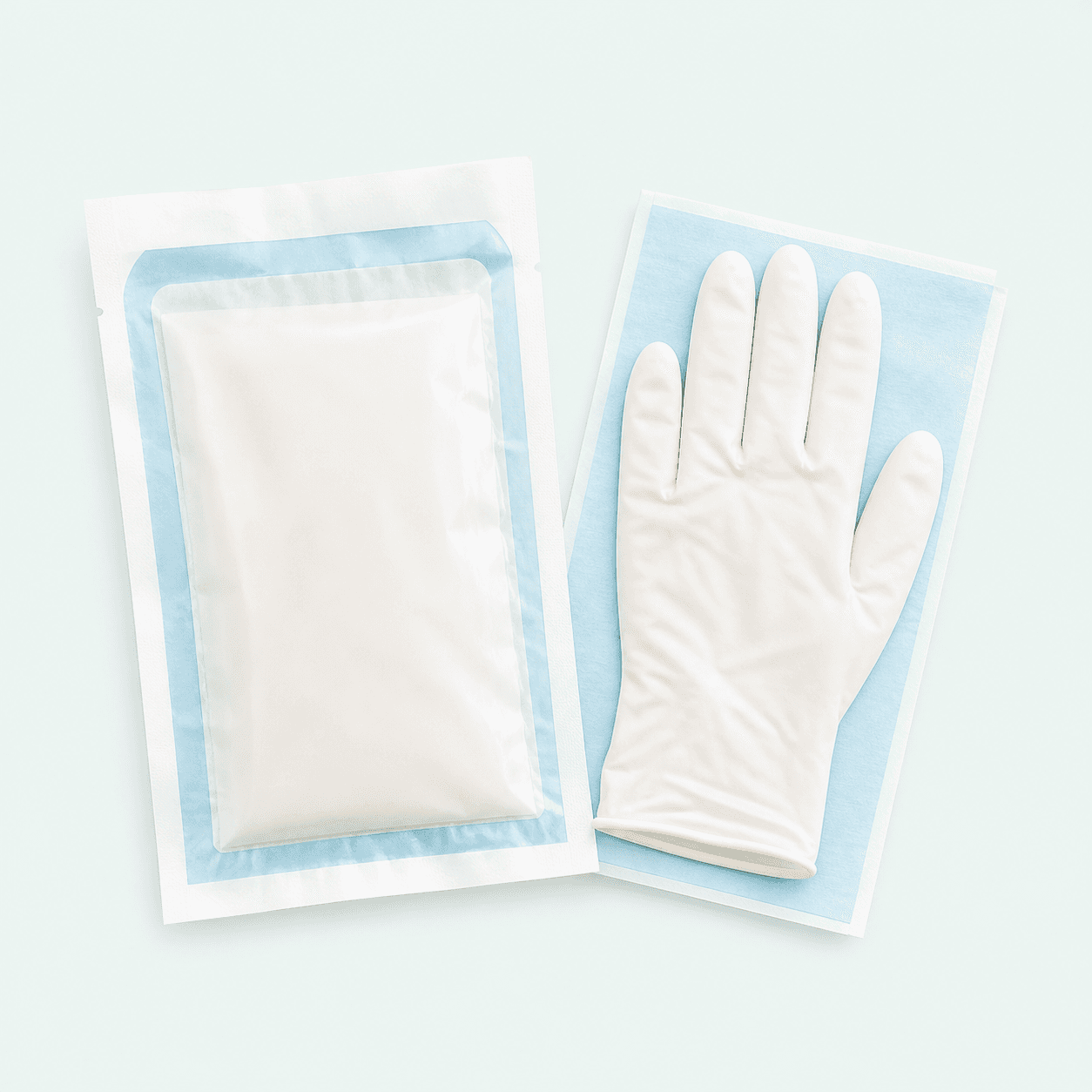
A clinic that performs dressing changes, minor procedures, sample collection, and cleaning support may need different glove types in the same week. Separate sterile procedure needs from routine examination needs before comparing brands or pack sizes.
Procurement teams should also look at how often sizes run out. A balanced size mix prevents staff from using an unsuitable size simply because the correct box is missing from the shelf.
- Separate sterile and non-sterile use cases.
- Track size consumption instead of ordering equal quantities.
- Keep high-use sizes close to the point of care.
Check material and comfort
Latex, nitrile, and vinyl options can feel different during long procedures or repeated use. Material choice should account for staff comfort, sensitivity concerns, grip, and the tasks performed most often.
A glove that tears easily or fits poorly can slow work and increase replacement use. Comfort is not only a user preference; it affects consistency during busy clinic hours.
Protect stock quality
Gloves should be stored away from excess heat, moisture, and direct sunlight. Clean storage and first-expiry-first-out rotation keep usable stock moving before dates become an issue.
For fast-moving departments, label shelves by size and use category. This makes it easier for staff to see shortages early and request replenishment before the last box is opened.