
Think beyond the main unit
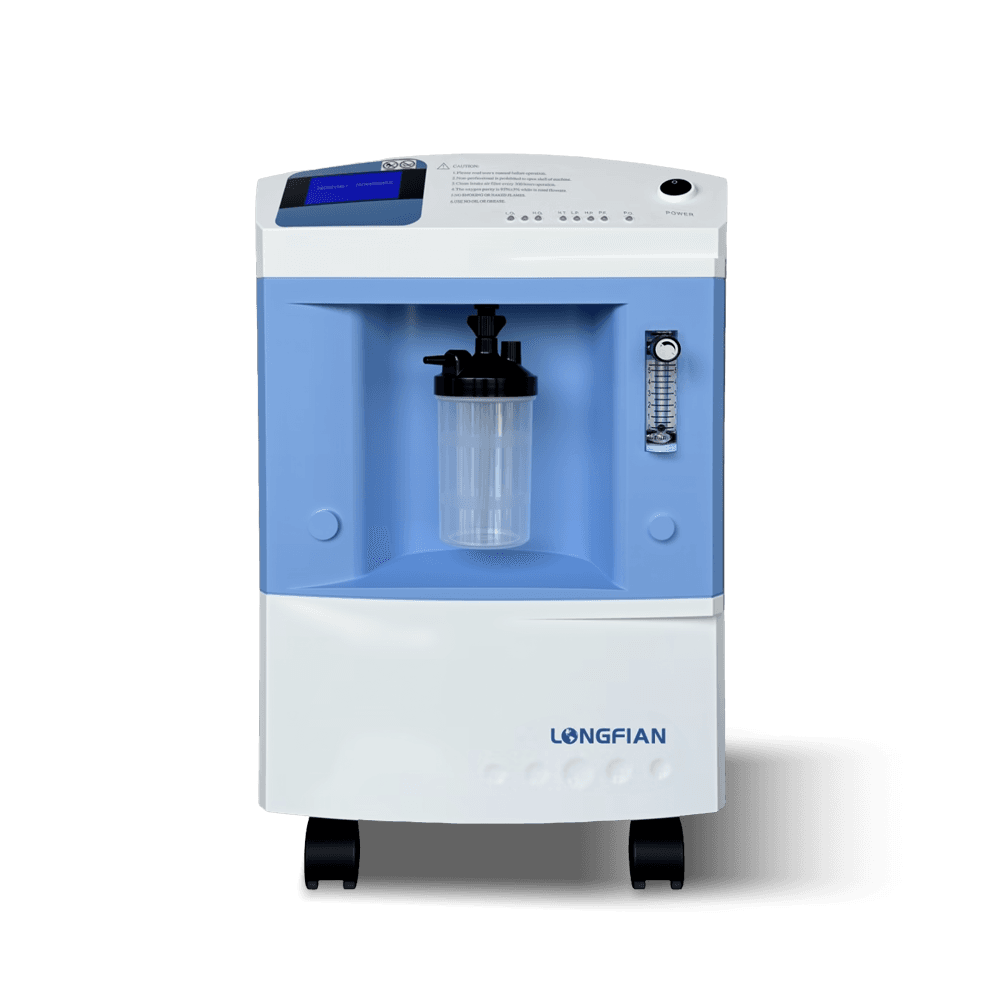
The concentrator is the visible purchase, but daily readiness also depends on the humidifier bottle, tubing, filters, power access, and clear placement. Missing accessories can delay use even when the main equipment is available.
Before ordering, note where the unit will sit and how it will be moved. Ventilation space, cable routing, and caster movement can affect day-to-day convenience.
- Confirm included accessories before delivery.
- Keep the unit in a ventilated position.
- Avoid cable paths that create trip hazards.
Prepare for handover
Teams should know who checks the unit, how cleaning is recorded, and where accessories are stored. A short handover routine is useful for clinics, wards, and home-care coordinators.
Labels and simple check sheets help staff notice missing parts, unusual sounds, or maintenance needs before the equipment is urgently required.
Review power and backup planning
Oxygen concentrators run on electric power. Facilities should consider power stability, outlet location, and local backup procedures according to their care protocols.
Procurement should not replace clinical planning. Flow settings, duration, and patient suitability must be guided by qualified healthcare professionals.