Map the movement path
Before choosing beds, wheelchairs, or commode chairs, walk through the patient path from entrance to waiting area, consultation, procedure, recovery, and discharge. Tight corners and narrow doorways should influence equipment choices.
Foldable or movable furniture can help smaller facilities, but only if there is a proper storage location and a clear process for returning items after use.
- Measure doorways, corridors, and turning spaces.
- Choose furniture that fits the real movement path.
- Assign storage areas for movable equipment.
Prioritize cleanable surfaces
Furniture in clinical spaces must be easy to wipe and inspect. Smooth frames, accessible surfaces, and simple upholstery choices can make daily cleaning more consistent.
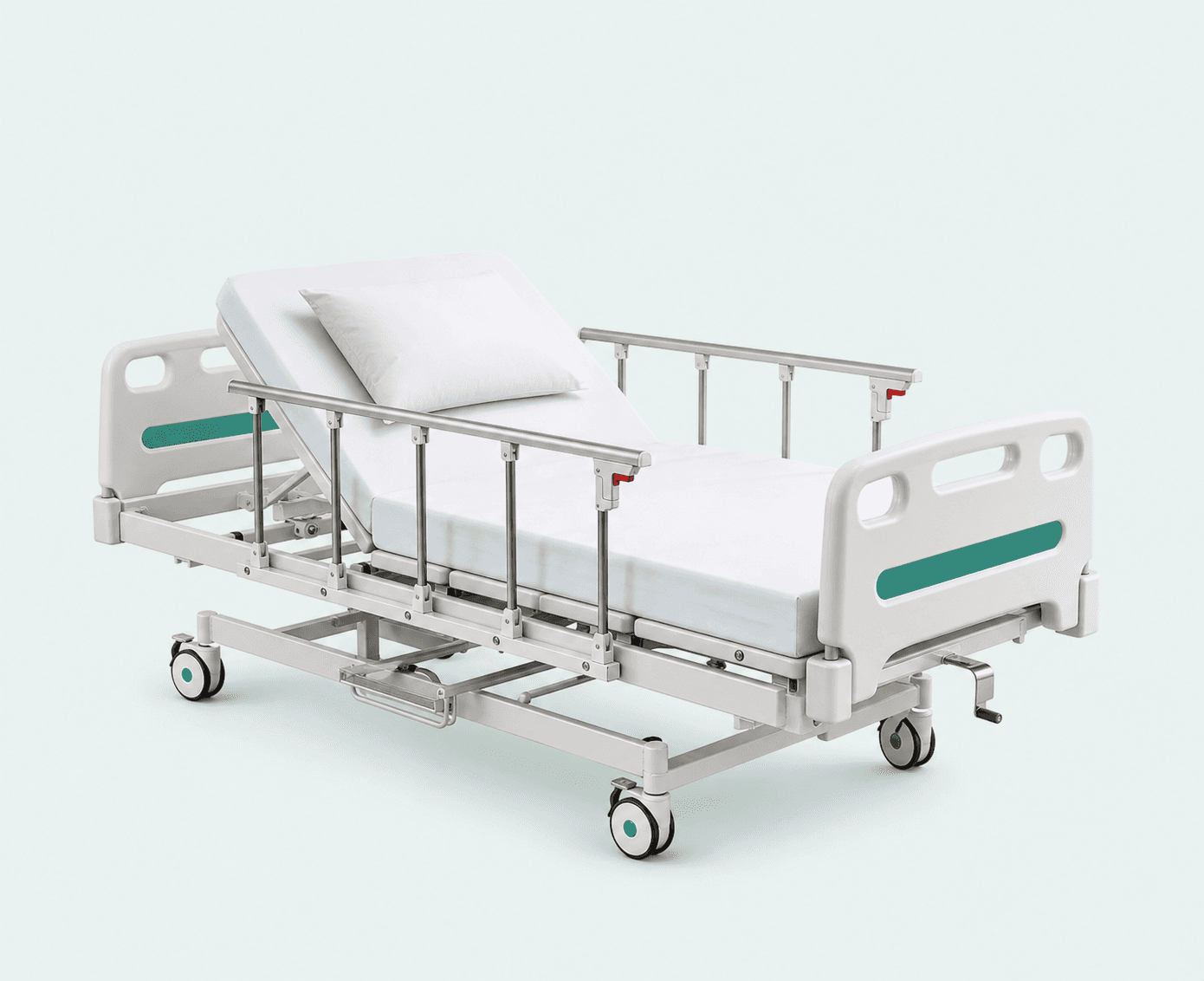
Side rails, footrests, armrests, and wheels should be checked regularly because they receive frequent handling during transfers.
Support staff routines
The best equipment is the equipment staff can use safely and repeatedly. Training, clear parking spots, and routine inspection are part of the procurement plan.
For home-care coordination, explain practical details such as folding, movement, cleaning, and space requirements before handover.